Track by Hajime Kimura
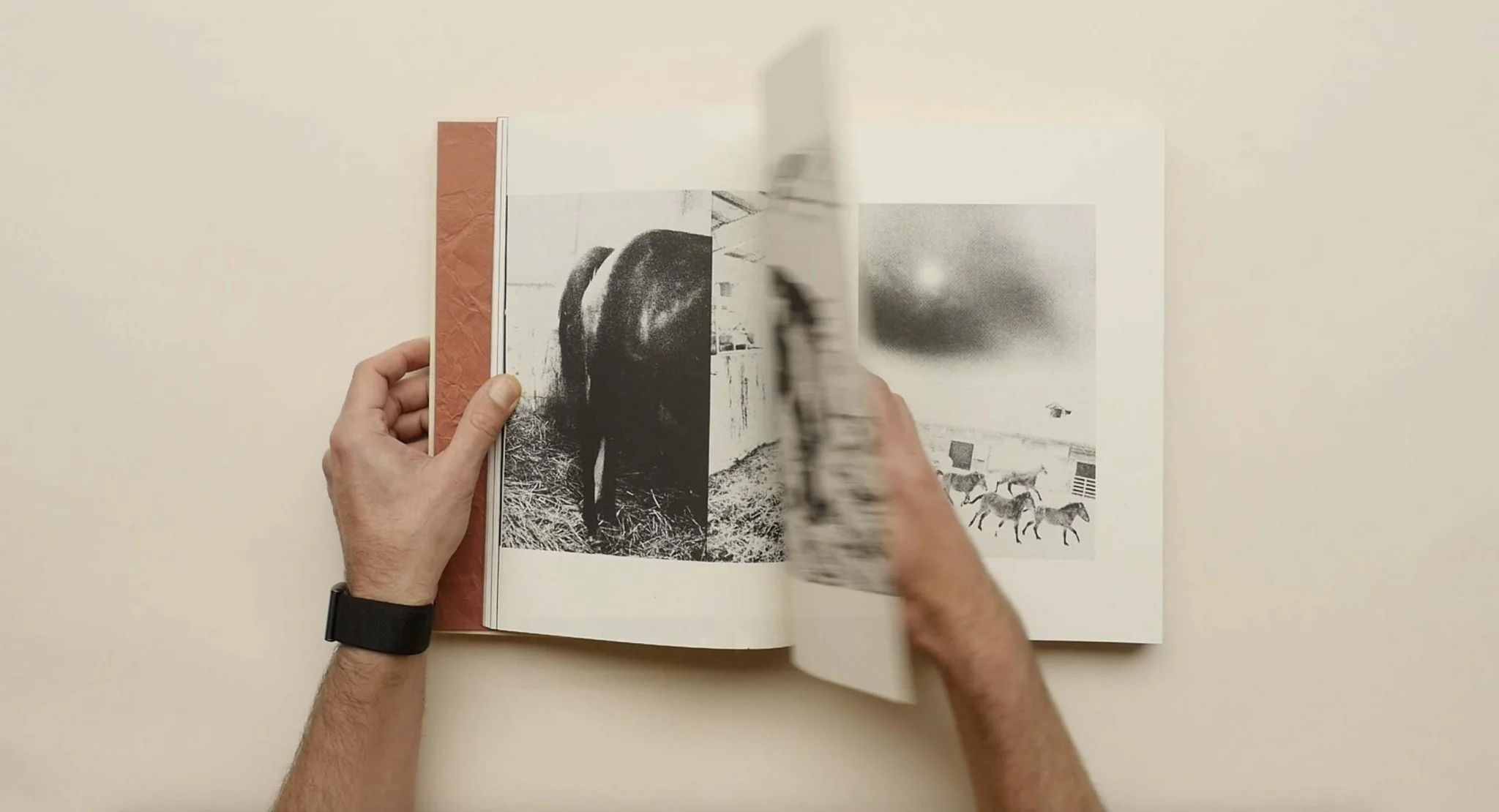
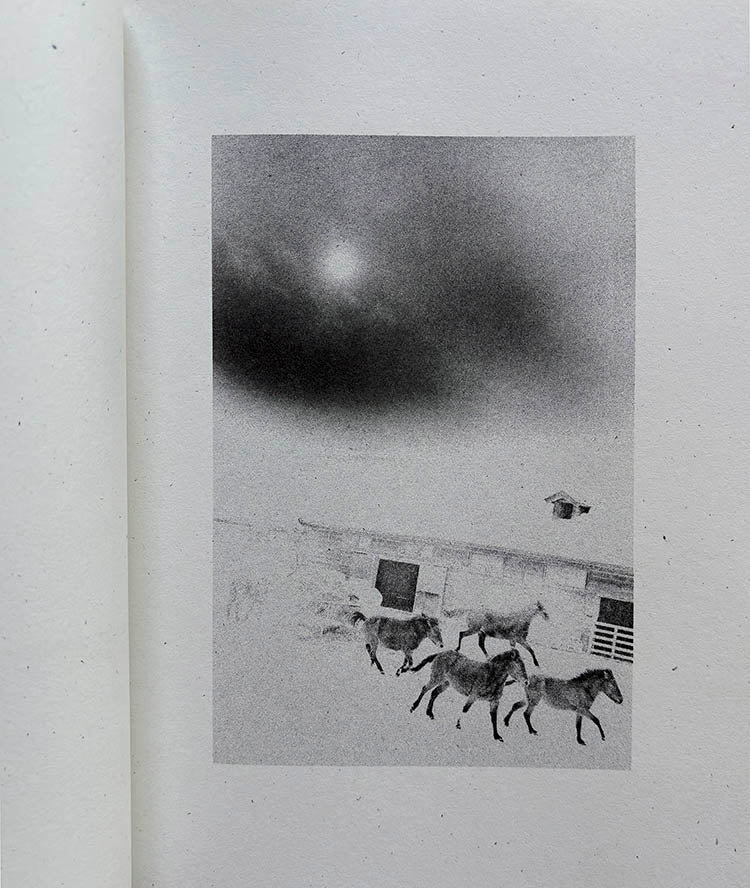
Until the early 1900s, southern Hokkaido (now Tokachi and Hidaka) was known for raising military horses. As times changed, military horses became racehorses. Now, about 7,000 racehorses are produced in Japan every year, with 80% of them raised in this region.

About 5,000 of these racehorses are eventually turned into riding and breeding horses, of which 80-90% are slaughtered and become food for pets and humans.
Product Information
Product Information
Shipping & Returns
Shipping & Returns








Track by Hajime Kimura
Track by Hajime Kimura
Until the early 1900s, southern Hokkaido (now Tokachi and Hidaka) was known for raising military horses. As times changed, military horses became racehorses. Now, about 7,000 racehorses are produced in Japan every year, with 80% of them raised in this region.
About 5,000 of these racehorses are eventually turned into riding and breeding horses, of which 80-90% are slaughtered and become food for pets and humans.
Product Information
Product Information
Shipping & Returns
Shipping & Returns
Description
Until the early 1900s, southern Hokkaido (now Tokachi and Hidaka) was known for raising military horses. As times changed, military horses became racehorses. Now, about 7,000 racehorses are produced in Japan every year, with 80% of them raised in this region.
About 5,000 of these racehorses are eventually turned into riding and breeding horses, of which 80-90% are slaughtered and become food for pets and humans.